
Children’s Orthodontics
You want your child to develop strong, healthy teeth and a nice smile that promotes self-esteem. We agree these are important achievements and we offer early orthodontic treatment, as needed, to assist optimal growth.

Functional orthodontics
Historically, orthodontic treatment has been associated with the
average teenager. Today, about one in every five orthodontic patients
is over the age of 18. Additionally, research has demonstrated there
is immense value in assessing children as young as five for early orthodontic intervention.
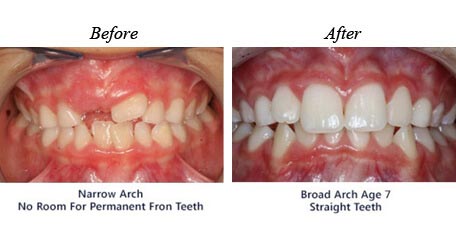
Dr. Raichada is proud to offer a high standard of dental care that includes orthodontic evaluation and treatment with functional appliances, as needed, to promote healthy development. With early orthodontic intervention, we can monitor and actually guide the progress of tooth and jaw growth which continues until about age 12. By regulating the width of arches, your experienced dentist can minimize the potential risk of necessary extractions.


Monitoring and Facilitating Optimal Development
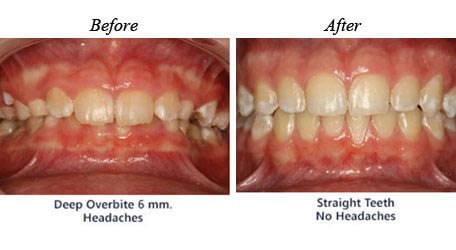
Functional orthodontics is about more than simply straightening teeth; it is about monitoring and facilitating optimal development. When the jaw is not growing as it should, there are several concerns. One is the undue stress placed on vital joints when teeth do not fit together as they should. When the joints, muscles, and ligaments must constantly adapt to malocclusion, stress can lead to perpetual dysfunction. In turn, this dysfunction leads to unpleasant symptoms; such as:
- Stiffness in the jaw
- “Lock jaw” in which the mouth becomes stuck in one position
- Dizziness
- Chronic headaches or earaches
- Ringing in the ears
- Popping sounds in the jaw
- Facial pain or neck pain
Early Orthodontic Care for Growing Smiles
Early orthodontic guidance can help support proper jaw and tooth development. Our team will assess your child’s needs, answer your questions, and recommend the right timing and treatment options.
Promoting healthy smiles in two distinct phases
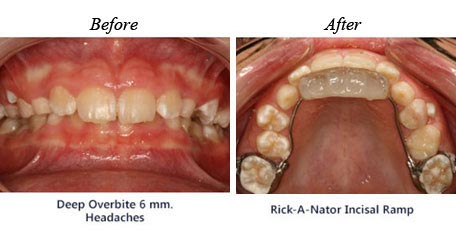
Functional orthodontic appliances may be applied as early as age five and up to age 12 in most cases. The purpose of this phase is to:
- Assist in the treatment of a constricted airway
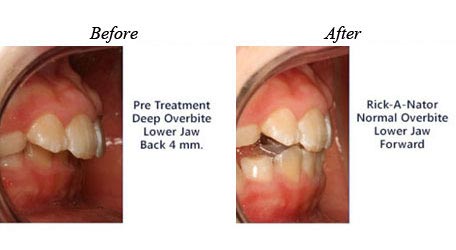
- Minimize the development of a bad bite
- Reduce the impact of thumb-sucking or tongue thrusting
- Promote healthy growth in an underdeveloped or narrow jaw
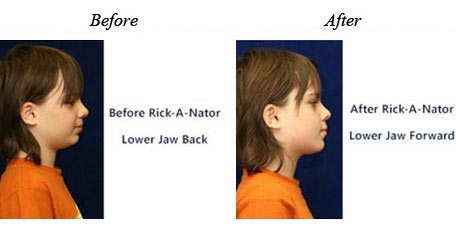
- Correct a retruded upper or lower jaw thus creating a healthy facial profile
- Shorten the main phase of orthodontic treatment


Correcting Misalignment
Once the jaw has fully developed and permanent teeth are present, the second phase of orthodontic care (braces) will focus on correcting
misalignment. In some cases, phase one early orthodontics fully
eliminates the need for a second phase as permanent teeth are provided with the space they need to grow in normally.
We are proud of our commitment to high-quality dentistry for every

member of your family. To learn more about functional orthodontics
and early orthodontic intervention, call our Mississauga office
at (905) 455-9262.
Frequently Asked Questions About Children’s Orthodontics
At what age should my child visit an orthodontist?
Dr. Rina Raichada recommends bringing your child for an orthodontic evaluation around the age of seven. At this stage, their teeth and jaws are still developing, making it easier to identify potential issues early.
Does my child need braces if they still have baby teeth?
Yes, if needed. Even with baby teeth, early orthodontic intervention can guide the proper growth of permanent teeth and improve bite alignment. Dr. Raichada ensures every child receives an individualized treatment plan.
What are the signs that my child may need braces?
Signs include crowded teeth, difficulty biting or chewing, frequent mouth breathing, or jaws that make noises. If you notice any of these, Dr. Raichada and her team at Dentistry On 10 can help.
How long does orthodontic treatment take for children?
The duration varies depending on your child’s specific needs. On average, treatment lasts 12-24 months. Dr. Raichada will carefully assess your child’s case and provide an accurate timeline during the consultation.
Are braces painful for kids?
Braces may cause slight discomfort, especially after adjustments. However, Dr. Raichada uses the latest techniques to minimize this discomfort and ensure that your child quickly adapts to their braces.
Can my child play sports with braces?
Absolutely. Dr. Raichada advises using a mouthguard to protect the braces and teeth during sports activities. Your child can stay active and enjoy their hobbies without worry.
How can I help my child take care of their braces?
Encourage good oral hygiene by teaching your child to brush and floss carefully around their braces. Dr. Raichada and her team will provide detailed instructions and tips to make the process simple and effective. Regular dental check-ups are also essential for maintaining progress.