

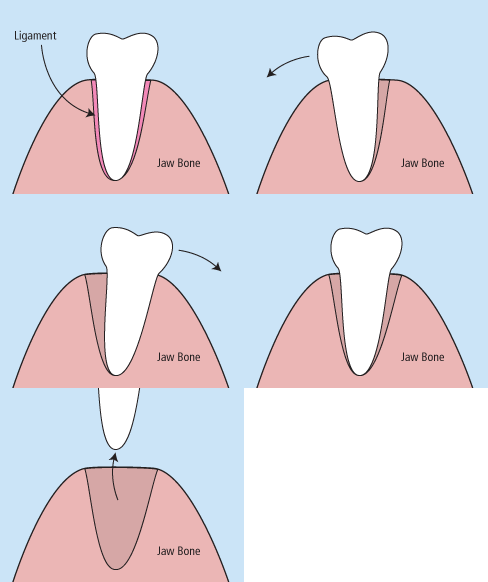
There are times in which a patient may require the extraction of a tooth. This happens for a variety of reasons. Here are just a few examples of when extractions may be necessary:

Teeth Extractions

Overcrowding

In instances when patients are undergoing orthodontic treatment, they may be dealing with issues such as overcrowding. When insufficient room in the mouth is causing concerns, extractions may be necessary to make room to align the existing teeth.

Disease

Patients who have let periodontal disease go untreated may require the extraction of natural teeth. They may become loose due to the loss of bone structure, and extracting the teeth can be followed by reconstructive treatments such as dental bridges, dental implants, or dentures.

Infection

Tooth decay that spreads to the dental pulp may cause an infection. While many dentists may be able to save a tooth by performing a root canal treatment, it is not always a 100 percent guarantee that the natural tooth can be saved. These teeth may need to be extracted and restored with cosmetic treatments.

Wisdom Teeth

Wisdom teeth are notorious for being problematic for teenagers and young adults. They may become impacted, misaligned, or fail to erupt fully, and cause pain and discomfort in the back of the mouth. Extracting the teeth, which may require oral surgery, can eliminate the problem and bring the mouth back to a high standard of oral health.

Dr. Rina Raichada and Dr. Gunjan, of Dentistry On 10, consult with patients to determine if extraction is necessary. The extraction procedure is relatively quick, and sedation may be used during the treatment. After a tooth has been removed, the existing teeth can shift out of place and negatively affect a patient’s bite. Dr. Rina Raichada and Dr. Gunjan discuss the benefits of restoring the extracted tooth as soon as possible to maintain a beautiful, fully functional smile.

If you believe that you may need an extraction, it is time to contact a professional to assist you in making an educated decision in regards to your dental health. Dr. Rina Raichada and Dr. Gunjan of Dentistry On 10 are happy to assist new and existing patients with their dental concerns and provide extractions when appropriate.

Female patient experiencing a toothache before tooth extraction treatment in Mississauga, ON

Gentle Tooth Extractions for Your Comfort and Health

Tooth pain, crowding, or damaged teeth can impact your oral health. Our team provides careful, tailored evaluations to determine the best course of action and ensure your comfort every step of the way.

Is tooth extraction always the last option?

Dentists typically explore ways to preserve a natural tooth before recommending removal. However, when a tooth cannot be restored or is affecting overall oral health, extraction may be the most appropriate step. At Dentistry on 10 in Mississauga, Dr. Rina Raichada carefully evaluates each situation to ensure removal is truly necessary.

What does it feel like after a tooth extraction?

After an extraction, it’s common to experience mild soreness or swelling for a few days. Most discomfort can be managed with simple care and by following your dentist’s instructions. Healing progresses steadily as the area recovers. Dentistry on 10 supports Mississauga patients with guidance to ensure a smooth and comfortable recovery.

How long does it take to heal after an extraction?

Initial healing usually takes a few days, and the area continues to improve over the next couple of weeks. Full healing of the underlying bone may take longer. Following aftercare instructions helps support proper recovery. Dentistry on 10 in Mississauga provides clear directions so patients can heal efficiently and comfortably.

Can I return to normal activities after a tooth extraction?

Most patients can resume light daily activities shortly after the procedure, but it’s best to avoid strenuous activity for a short period. Resting and allowing your body time to recover is important. Dentistry on 10 in Mississauga advises patients on when it’s appropriate to return to their normal routine.

Will removing a tooth affect nearby teeth?

Yes, over time, surrounding teeth may shift into the space if it is not restored. This can impact alignment and bite function. Dentistry on 10 in Mississauga discusses replacement options with patients to help maintain balance and prevent unwanted movement after an extraction.

Are extractions different for each patient?

Yes, every extraction is unique depending on the tooth’s position, condition, and surrounding structures. Some procedures are straightforward, while others may require additional planning. Dentistry on 10 in Mississauga tailors each treatment to the patient’s specific needs to ensure the best possible outcome.

What should I eat after having a tooth removed?

Soft foods are typically recommended immediately after an extraction to avoid irritation at the site. Options like soups, yogurt, and mashed foods can make eating more comfortable. Gradually returning to a normal diet is encouraged as healing progresses. Dentistry on 10 provides Mississauga patients with helpful dietary guidance.

How can I reduce discomfort during recovery?

Following your dentist’s aftercare instructions is key to minimizing discomfort. Rest, proper oral hygiene, and avoiding certain habits can all support healing. Keeping the area clean without disturbing it is important. Dentistry on 10 in Mississauga offers personalized advice to help patients recover with minimal discomfort.

Can missing teeth be replaced after an extraction?

Yes, there are several options for replacing missing teeth, depending on your needs and goals. Restoring the space helps maintain function and appearance. Dentistry on 10 in Mississauga works with patients to determine the best solution to restore their smile after a tooth has been removed.

How do I know when to contact my dentist after an extraction?

If you experience unusual pain, prolonged swelling, or any concerns during healing, it’s important to contact your dentist. Prompt attention can help address issues early. Dentistry on 10 encourages Mississauga patients to reach out with any questions or concerns during the recovery process.

Does getting a tooth removed hurt?

Most patients are surprised by how comfortable the process is. Your dentist will numb the area with local anesthesia so you won’t feel pain during the extraction; you’ll only feel slight pressure. After the procedure, you may experience mild soreness and swelling. However, any post-op side effects are manageable with home remedies and over-the-counter pain relievers.

How long does a dental extraction take?

It depends on the type of extraction. A simple extraction typically takes 20-30 minutes. More complex cases, such as impacted teeth or surgical extractions, usually take 40-60 minutes. Having several teeth extracted also means your extraction will take longer. Your dentist will explain the expected timeline based on your specific situation.

Is it safe to have multiple teeth extracted at once?

Yes, in many cases it is safe to remove multiple teeth during one visit, especially for patients with advanced gum disease or widespread decay. This approach is more convenient and reduces the need for multiple appointments. Your dentist will evaluate your overall health and treatment needs before recommending this option.

Do all wisdom teeth need extraction?

Not always. Wisdom teeth only need to be removed if they are impacted, causing pain, crowding other teeth, or increasing the risk of infection. If they are healthy, properly positioned, and easy to clean, they may only require close monitoring.

What is a dry socket, and how can I prevent it?

A dry socket occurs when the blood clot at the extraction site becomes dislodged or dissolves too early, exposing the bone underneath. A dry socket typically occurs within 2-4 days after extraction and presents with throbbing pain, an empty-looking socket, and a bad taste. The good news? You can prevent a dry socket by avoiding straws, smoking, and vigorous rinsing until you heal.

How long does it take to recover after a dental extraction?

Initial healing is usually quick, and most people can resume their daily lives after 1-2 days. However, you should avoid strenuous activities, such as weight lifting or running. The bone takes several weeks to heal completely, depending on the complexity of the extraction.

Should I replace my extracted tooth?

Yes, unless it’s a wisdom tooth. Replacing a missing tooth helps maintain proper alignment, chewing function, and jawbone health. The longer the gap is left untreated, the more complex and expensive it becomes. Your Mississauga dentist will discuss tooth replacement options, including dental implants, bridges, and partial dentures.

How much does a dental extraction cost in Mississauga, ON?

The cost of a dental extraction varies depending on factors such as the complexity of the procedure and the type of tooth being removed. Simple extractions are generally more affordable than surgical ones. We’ll share a cost breakdown before treatment begins, ensuring you proceed with clarity and confidence.

Does insurance cover dental extraction?

Most likely, but the exact coverage varies depending on several factors, such as deductibles, yearly maximums, and waiting periods. Since every coverage is unique, it’s a good idea to review your benefits from your provider or ask our dental office for assistance.

Does my dentist try to save my tooth before removing it?

Absolutely! At our office, we try to save your tooth whenever possible with dental fillings, crowns, and root canals. We only recommend extraction as a last resort after exhausting all other restorative options.

Where can I have my tooth extracted in Mississauga, ON?

Don’t let a severely damaged or infected tooth ruin your comfort or oral health. Dentistry On 10 offers high-quality dental extraction services rooted in compassion and personalized care. Call (905) 455-9262 and schedule your consultation with our team today.